July 20, 2026
A noisy garage door is more than a daily nuisance; it is often a sign of mechanical trouble. Ignoring these warning sounds can lead to severe damage and costly breakdowns. Fortunately, addressing disruptive noise is often a matter of routine upkeep or professional garage opener repair, ensuring your system remains quiet and reliable.
Many homeowners assume a noisy door requires a complete system replacement, but this is rarely necessary. Most sounds stem from loose parts, dry rollers, or a struggling motor that needs targeted care. Understanding the common causes of garage door noise helps you decide when to call in professional assistance.
Identify Your Door's Noise Issues
Pinpointing the exact source of the noise is the initial step toward a lasting solution. Different sounds correspond to specific mechanical issues, so observe your door closely during operation. Squeaking usually indicates dry metal parts rubbing together, while grinding points to serious track or motor issues.
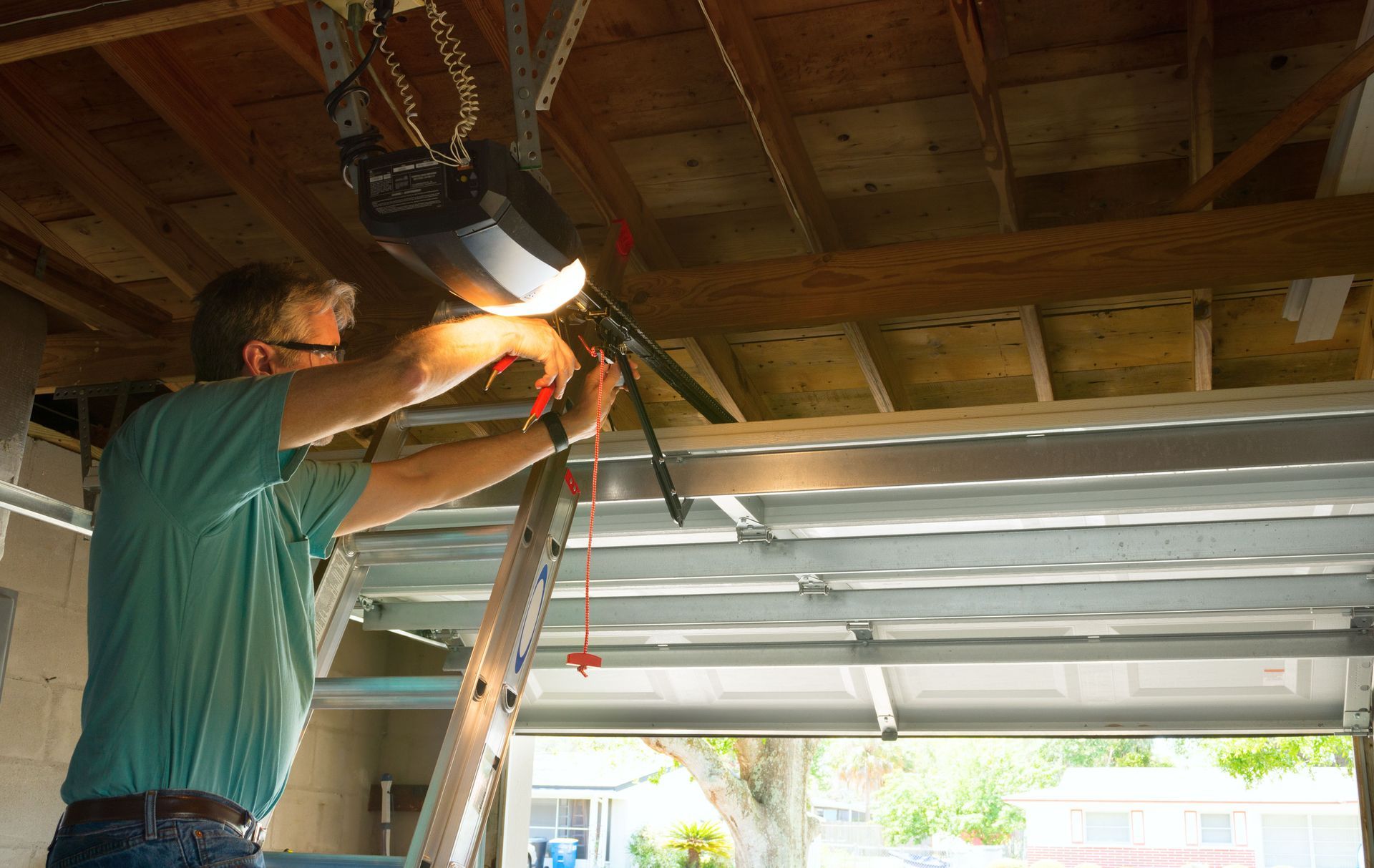
A thorough visual inspection plays an essential role in this diagnostic stage. You should inspect the metal tracks for debris, check for loose brackets, and tighten fasteners. If the motor head itself makes unusual buzzing sounds, your system likely requires garage opener repair to address internal wear.
Distinct rattling sounds suggest that various hardware elements are vibrating as the panels move. Loud popping or banging noises are typically related to the heavy springs that balance the door weight. Recognizing these distinct sounds helps you identify which components are under stress and require immediate attention.
Accurate problem identification prevents you from wasting effort on incorrect fixes. For example, lubricating tracks will not quiet a struggling motor, and adjusting limits will not fix loose hinges. Taking a methodical diagnostic approach ensures that your subsequent troubleshooting efforts are highly targeted, efficient, and effective.
Perform Routine Maintenance Tasks
Regular maintenance is the best way to prevent garage doors from becoming noisy. A simple routine completed periodically can dramatically extend the lifespan of your setup. This basic upkeep includes cleaning the tracks, checking the overall balance of the door, and tightening the various structural fasteners.
Proper lubrication is a critical step in minimizing daily wear and tear. You should apply a high-quality silicone or lithium spray specifically designed for garage hardware to the rollers, hinges, and springs. Avoid using thick grease or standard household oils, which tend to attract dust and clog moving parts.
Another vital task involves checking the physical security of all nuts, bolts, and screws. Because garage doors vibrate constantly during operation, these small metal fasteners can slowly back out. Utilizing a basic wrench to snug up loose hardware can instantly eliminate mysterious rattling noises and reduce the need for professional garage opener repair.
Ensuring that the door tracks remain clean is vital for silent operation. Dirt, cobwebs, and small debris can accumulate inside the metal channels, creating speed bumps that force the rollers to bounce. You can use a damp cloth to wipe out the tracks, ensuring a clear path for smooth travel.
Examine Your Garage Opener System
A struggling opener is a primary source of garage noise, making a thorough assessment of this device incredibly important. If you find that the noise persists after lubricating the manual parts, your motor or drive mechanism is likely the culprit. Seeking timely garage opener repair can address these specialized motor issues quickly.
The drive mechanism plays a significant role in determining how much noise your system generates. Chain-driven models are inherently louder due to the metal contact of the moving chain. Belt-driven models are much quieter because they utilize rubber belts to lift the door, reducing friction and vibration.
Checking the condition of the motor itself is another key part of this overall system evaluation. Internal gears can wear down over the years, leading to a loud grinding sound when the door starts moving. If you notice an unusual smell or hear the motor running without the door lifting, components have failed.
Do not overlook the electronic controls and safety sensors that guide your system. Misaligned safety eyes or frayed wiring can cause the opener to hesitate, start and stop abruptly, or make clicking sounds. Keeping sensors clean prevents unnecessary wear on the motor and simplifies any required garage opener repair tasks.
Apply Reliable Troubleshooting Methods
When basic maintenance is not enough to quiet your door, you must apply targeted troubleshooting methods. Replacing worn components like plastic rollers with quiet nylon alternatives is an excellent upgrade. Nylon rollers glide through tracks with significantly less friction than steel rollers, cutting down on operational squeaks.
For more complex issues, focusing on the motor and drive system is essential for restoring quiet performance. Professional garage opener repair is often necessary when dealing with stripped gears, broken drive belts, or faulty circuit boards. Leaving these repairs to trained technicians ensures the work is done safely and correctly.
According to data from HomeGuide, replacing the springs is the most common fix for homeowners because these components typically wear out after 10,000 to 20,000 cycles. When these springs lose tension, the door becomes unbalanced, forcing the opener to lift a much heavier load. This extreme strain makes the motor run louder.
Realigning misaligned tracks is another critical troubleshooting step that can quiet a noisy system. If the tracks are slightly out of alignment, the door will bind and squeal as it struggles through the curve. You can loosen the track brackets, gently tap the rails back into position, and tighten them securely.
Upgrade Aging Hardware Components
Sometimes, aging components are simply too worn to be salvaged by basic adjustments or lubrication. In these cases, investing in modern upgrades is the best way to achieve a quiet garage door. Upgrading to a modern belt-drive opener can completely transform your home environment, reducing sound transmission through walls.
In addition to replacing the opener, installing heavy-duty hinges can significantly reduce operational noise. Older steel hinges can bend or rust, causing them to bind and squeak every time the door panels flex. Upgrading to high-quality hinges ensures that the door sections pivot smoothly without generating loud metal groans.
Investing in professional garage repair services can help you determine if your current model can be retrofitted with noise-reducing accessories. Many manufacturers offer vibration dampening kits that install between the opener chassis and ceiling rafters. These rubber mounts absorb motor vibrations before they resonate through the framework of your house.
Updating your safety cables and rollers along with your opener is a smart way to maximize your investment. When all components work in unison, the overall strain on each part is greatly reduced. This balanced system is less likely to develop new noises or experience unexpected mechanical failures over time.
A quiet garage door is a sign of a healthy, well-maintained system that will serve your household safely for years. By identifying the root causes of noise and performing regular maintenance, you can prevent major mechanical issues from developing. When simple fixes fail, scheduling a professional garage opener repair is the smartest choice.
Taking care of your garage door does not have to be a stressful or complicated chore. When you need expert assistance to restore quiet and reliable operation, contact State Wide Garage Doors today so we can get your system back on track.